
Blog
How To Prepare For A Fire Safety Audit Without The Last-Minute Scramble
The buildings that sail through a fire safety audit are rarely the ones that did the most work the week before. They are the ones that prepared months out, kept their records in order, and treated the audit as a checkpoint rather than a deadline. Preparation is what turns an audit from a stressful event into a formality.
If a fire safety audit is on your horizon, here’s how to get ready without the last-minute scramble.

Know what a fire safety audit actually checks
You can’t prepare well for something you don’t understand, so start with scope. A fire safety audit assesses whether a building’s essential safety measures are present, maintained and performing as designed.
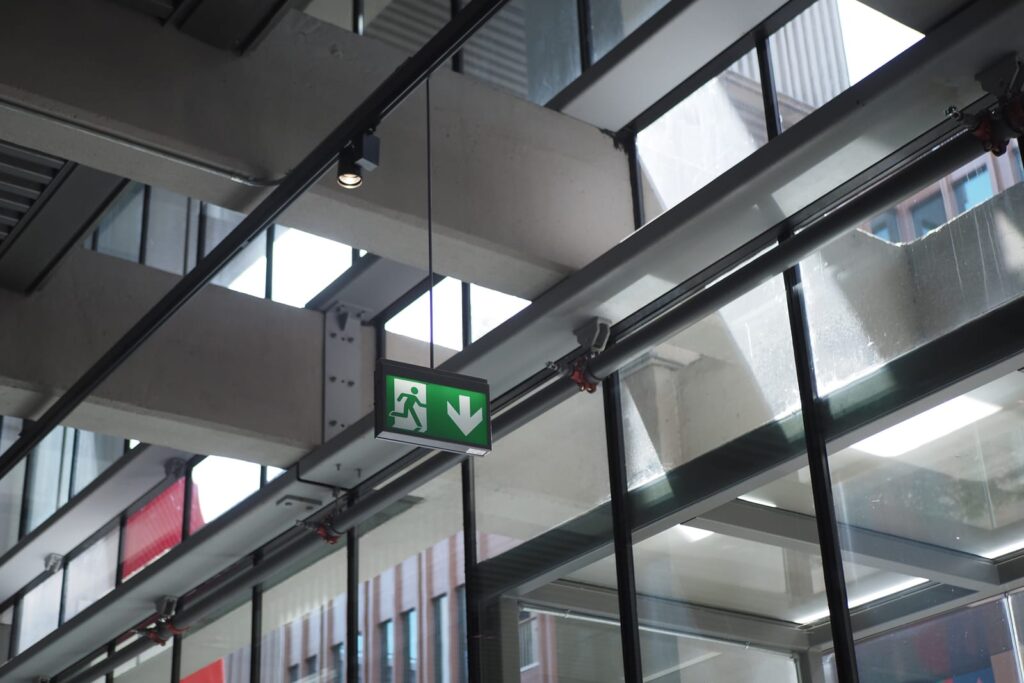
In practice, an assessor will look at fire detection and alarm systems, sprinklers and hydrants, exit and emergency lighting, exit signage, paths of travel and egress, fire doors and compartmentation, and the documentation that proves it all works. A fire safety inspection or audit measures the building against the Building Code of Australia and the relevant Australian Standards – so the closer your building already sits to those requirements, the smoother the audit runs.
Start with your documentation, not the hardware
It’s tempting to walk the building and start checking equipment first… resist that. The fastest way to identify gaps is to review your records, because paperwork failures are the most common – and the most avoidable – audit findings.
Pull together your essential safety measures logbook and servicing records, your most recent annual statement – an Annual Fire Safety Statement in New South Wales or an Annual Essential Safety Measures Report in Victoria – and your building plans and evacuation diagrams. If a required service has no record, or a document is out of date, you’ve found a gap on paper before the assessor finds it on site… and that’s exactly where you want to be.

Your building compliance audit checklist
Use this as a practical building compliance audit checklist to work through in the weeks before your audit. It doubles as a fire safety inspection checklist and an essential safety measures checklist.
Documentation
- Essential safety measures logbook is complete and up to date
- All servicing records are present, dated and signed by the contractor
- The current annual statement (AFSS or AESMR) is lodged and on file
- Building plans and evacuation diagrams match the building as it stands today
Essential safety measures and fire services
- Fire detection and alarm systems serviced within their required interval
- Sprinklers, hydrants and hose reels serviced and unobstructed
- Fire extinguishers in place, tagged and in date
- Exit and emergency lighting tested and functioning
Egress and passive measures
- All exits clear, accessible and unlocked in the direction of egress
- Exit signage present, illuminated and visible
- Fire doors close, latch and seal correctly, and are not propped open
- Paths of travel unobstructed and to required widths
Housekeeping
- No storage blocking egress paths, switchboards or fire services
- Defects from the last inspection have been rectified and recorded
Anything you cannot tick is an action item – and finding it now, rather than on audit day, is the whole point.
Walk the building the way an assessor will
With the checklist in hand, walk the building as an assessor would. Start at the entry, follow each path of travel to a final exit, and look at what they will look at: blocked egress, missing or unlit signage, propped fire doors, obstructed extinguishers, storage where it should not be. Seeing the building through the assessor’s eyes surfaces the practical issues that records alone will not show – the pallet parked in front of a hydrant, the exit door that sticks. These are usually quick to fix, but only if you spot them first.

Book the right people early
Qualified practitioners and compliance consultants are busiest exactly when everyone else is scrambling. If your building needs servicing, rectification works or a professional pre-audit assessment, book those in well ahead rather than competing for the last available slot.
Turn the audit into an annual rhythm
The most reliable way to avoid the last-minute scramble is to stop treating the audit as a one-off. Buildings that fold audit preparation into a year-round compliance routine – maintained records, scheduled servicing, defects closed as they arise – never face a frantic run-up, because they are always close to audit-ready.
Contact EBC Group
If you’d like your building to be in that position, get in touch with EBC Group. As your partners in fire and safety compliance, we help building owners and managers stay audit-ready all year, with the attention to detail that makes the audit itself a formality.