
Blog
Fire Safety Compliance for Schools: These are the Obligations that are Often Missed
Schools are busy places by design. Classrooms get refurbished, staff change, enrolments grow, contractors come and go, and buildings are adapted to keep pace with new teaching needs. In that kind of environment, it’s easy for fire safety compliance to become something everyone assumes is under control because the extinguishers have service tags and the alarms are being tested.
The problem is that school fire safety compliance is much broader than that. It sits across the building itself, its essential safety measures, emergency planning, evacuation arrangements, maintenance records and the people responsible for keeping everything coordinated. On a large or older campus, that can mean multiple buildings, different approval histories and a long list of contractors all touching different parts of the same compliance picture.
That’s where the less obvious obligations tend to slip through.
Fire safety compliance is more than a service sticker
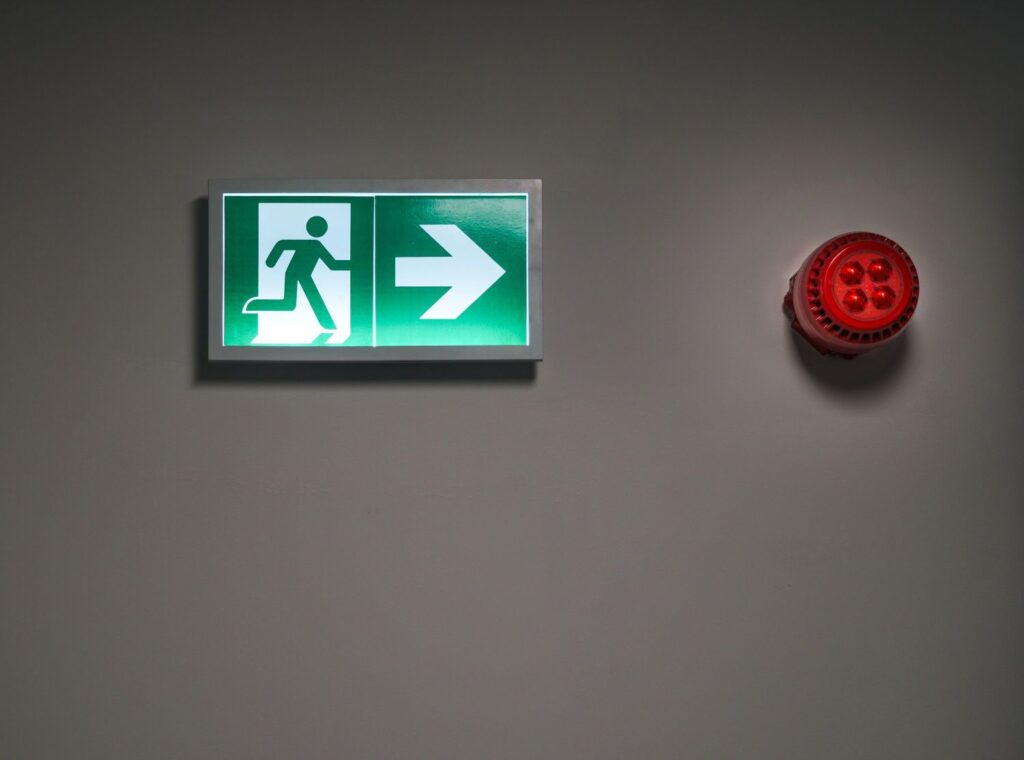
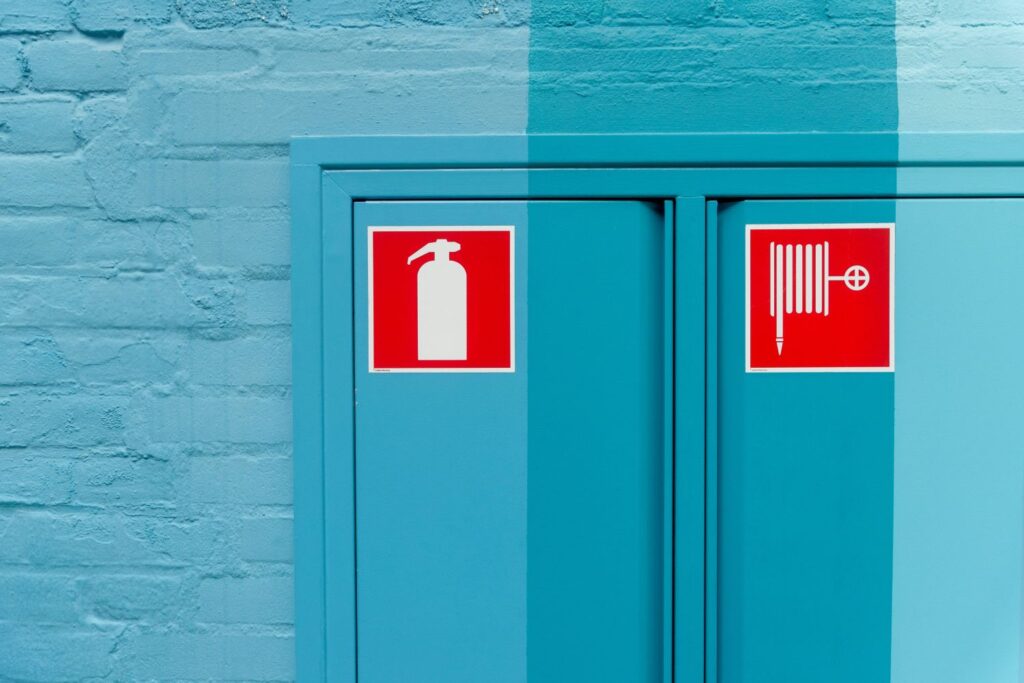
Routine servicing is essential, but it doesn’t automatically mean the whole site is compliant. A school might have extinguishers serviced on time and emergency lighting checked regularly, while still carrying gaps elsewhere in the building’s fire safety framework. Depending on the building and jurisdiction, fire and life safety measures can include fire detection and alarm systems, sprinkler systems, hydrants, hose reels, extinguishers, emergency lighting, exit signs, fire and smoke doors, passive fire protection, smoke control systems, paths of travel, emergency procedures and evacuation documentation.
The important point is that the obligations aren’t defined by what happens to be visible in a corridor. They’re shaped by the building’s classification, approvals, construction history, occupancy documentation and state or territory requirements. Effective education building compliance therefore starts with understanding what actually applies to each building, not simply maintaining whatever equipment is easiest to identify.
Essential safety measures can become a collection of separate jobs
On many school campuses, fire safety maintenance is spread across several providers. One contractor looks after alarms, another handles extinguishers, someone else services emergency lighting and a building contractor deals with fire doors or passive fire protection. There’s nothing unusual about that arrangement, but it does create one obvious risk: everyone may be completing their own scope correctly while nobody is looking at the whole picture.
That matters when it comes to essential safety measures schools are required to maintain. Someone needs visibility across the full set of applicable measures, the standards they need to meet, their servicing frequencies, outstanding defects and supporting records. Without that oversight, compliance can turn into a series of disconnected jobs rather than one coordinated system. It’s often not the obvious servicing task that gets missed; it’s the gap between two people’s responsibilities.
Evacuation diagrams have a habit of becoming outdated quietly
Evacuation diagrams are a good example of something that can look perfectly official while no longer reflecting the building around them. Schools change all the time. Rooms are repurposed, portable classrooms are added, corridors are altered, doors are relocated, assembly areas move and building works affect paths of travel. Fire equipment may also be shifted as part of refurbishment or upgrade works, and all of that can affect school evacuation diagrams.
The right question isn’t simply, “Do we have evacuation diagrams on the wall?”. It’s, “Do those diagrams still match the building people are standing in?”. A diagram that hasn’t kept pace with changes to the site can create confusion at exactly the wrong moment. That’s why schools should review evacuation diagrams whenever there are material changes to layouts, exits, equipment or emergency arrangements, rather than treating them as a one-and-done exercise.
Emergency plans can age faster than people realise
A school can technically have an emergency plan, but one that’s no longer particularly useful. Student numbers change. New buildings open. Staff leave. Warden roles shift. Assembly areas move. Contractors begin using parts of the site after hours. A portable classroom appears where there used to be open space. None of those changes necessarily trigger a dramatic compliance alarm, but together they can make an old emergency plan increasingly detached from how the school actually operates.
Good school fire safety compliance means checking whether the emergency plan reflects the current campus, current staffing and current users. That includes considering younger students, people who may need assistance, casual staff, contractors, after-hours users and community groups who share school facilities. A beautifully formatted plan that describes last year’s school is still last year’s plan.
Passive fire protection is easy to forget because it doesn’t beep
Fire alarms and extinguishers are obvious… passive fire protection is not. Fire doors, fire-rated walls, smoke barriers and fire-resistant construction around service penetrations form part of the building itself, which means they can be gradually compromised by ordinary works. A cable installation, new pipe, door hardware change or classroom refurbishment may seem minor, but it can affect the integrity of a fire-resisting element if it isn’t properly considered and rectified.
Schools are particularly exposed to this because campuses are rarely static. IT upgrades, HVAC works, electrical projects, accessibility upgrades, security systems and refurbishments happen regularly. This is why post-project compliance checks matter. A job can be complete from the contractor’s point of view while still leaving a fire safety issue behind.
Paths of travel can become cluttered one harmless item at a time
Very few people intentionally block an exit route… more often, it happens gradually. A trolley is parked in the wrong place. Sports equipment is stored “temporarily” near a doorway. A delivery is left in a circulation area. Display furniture creeps further into a corridor. Building works reroute access for a few weeks and the temporary arrangement becomes normal.
Individually, these things can look insignificant; but in an emergency, they’re not. Schools should treat paths of travel as something that needs ongoing attention, particularly where large numbers of students may need to move through the same spaces quickly. This is one of those areas where the building can drift away from its compliant state simply through day-to-day use.
Compliance records can end up everywhere except where you need them
A school may be doing a lot of the right things and still struggle to prove it. Service reports sit in contractor portals. Older records are buried in email inboxes. Defect reports live with facilities staff. Previous certificates are in an archive folder. Evacuation diagrams are saved somewhere else again. Then someone changes role, a contractor changes, or a deadline approaches and suddenly nobody has a complete picture.
Clear records are a core part of education building compliance. Depending on the jurisdiction and building, useful documentation may include inspection and testing reports, service records, defect reports, rectification evidence, contractor certificates, building approvals, occupancy permits or certificates, fire safety schedules, annual compliance statements, emergency plans, evacuation diagrams, audits and relevant plans or drawings.
The issue isn’t just administrative neatness. When records are fragmented, it becomes harder to know what was inspected, what remains outstanding and whether a known problem was actually resolved. That’s when compliance starts turning into detective work.

A defect report isn’t the same thing as a rectification
This sounds obvious, but it’s one of the most common places compliance processes lose momentum. A contractor identifies a defect. It appears in a report. A quote may be requested. The school moves on to other priorities. Three months later, the same defect is still there. An effective system needs to follow the issue all the way through: what the defect is, how serious it is, who owns the action, when it’s due, whether the work has been completed and whether evidence of completion has been retained. For essential safety measures schools are responsible for maintaining, that close-out process matters. A defect register should be a live management tool, not a parking lot for unresolved issues.
Building works can change more than the room being renovated
A science room refurbishment, new classroom block or accessibility upgrade might look like a straightforward building project. From a fire safety perspective, it can have much wider consequences. Building works can affect fire systems, change paths of travel, introduce new measures, alter evacuation arrangements or change the documentation that applies to the building. That’s why the handover stage is so important.
Schools should confirm that relevant fire safety documentation has been updated, new assets have been added to maintenance programs and any layout changes have flowed through to evacuation diagrams and emergency planning where necessary. The builders leaving site is not the same thing as the compliance process being finished.

State-by-state differences can catch multi-site education groups out
One of the easiest mistakes for school groups operating across multiple states is assuming the same process applies everywhere… it doesn’t. Fire safety frameworks, terminology, annual reporting obligations and documentation requirements vary between jurisdictions. Some buildings may be subject to annual fire safety statements, while others fall under essential safety measures reporting or different state-based requirements.
A national compliance framework is still valuable, but it needs enough flexibility to account for those differences. School fire safety compliance should be managed consistently at a portfolio level while still respecting the specific legal and building requirements that apply to each individual site. In other words, consistency is useful… copy-and-paste compliance isn’t.
Shared campuses can blur responsibility
Schools are often used by far more people than students and teachers during classroom hours. Outside-school-hours care providers, sporting clubs, community organisations, cleaners, maintenance contractors, tutors, hirers and construction crews may all use the same buildings at different times. That can make emergency responsibilities less clear than they appear.
Who briefs an after-hours user? Who knows where the assembly area is? Who takes control if an incident happens when the usual school leadership team isn’t present? Are contractors aware of emergency procedures? Do external organisations know which parts of the site they can use during an evacuation?
These questions are easy to overlook because they sit between day-to-day operations and formal compliance. They’re also exactly the kind of questions that should be resolved before an emergency, not during one.
Staff turnover can quietly undermine emergency roles
A school’s emergency arrangements are only as useful as the people expected to carry them out. Teachers transfer, casual staff rotate through, facilities teams change, administration staff leave and wardens move into different roles. If emergency responsibilities aren’t reviewed alongside those changes, a school can end up with outdated warden lists, gaps in coverage or people being relied on who haven’t had appropriate training. This is why induction, refresher training and regular review matter. The emergency plan on paper needs to match the people who are actually on site (there’s not much value in having the right names in the wrong decade!).
Paperwork needs to match the building in front of you
This is perhaps the biggest one. A complete-looking file doesn’t automatically mean a compliant building. Good compliance management tests the paperwork against real site conditions. Does the asset register match what’s actually installed? Do the evacuation diagrams match the current floor plan? Have defects been closed out? Are exits clear? Are fire doors functioning correctly? Have recent building works affected passive fire protection? Are maintenance records complete and current?
That’s where a broader fire safety or building compliance audit can be particularly valuable. Instead of looking at systems in isolation, an audit helps identify where the documents, maintenance activities and physical building have drifted apart. On school campuses, those gaps are often where the less obvious obligations are hiding.
Why schools benefit from a coordinated compliance approach
Schools don’t need compliance systems that create more paperwork for the sake of it. They need systems that make the important information easier to see, easier to manage and harder to lose. A strong education building compliance framework connects building documentation, essential safety measures, servicing, defects, emergency planning, school evacuation diagrams, contractor responsibilities and annual reporting obligations. For larger campuses or education groups with multiple sites, that level of coordination becomes even more important.
Without it, every building can develop its own mix of spreadsheets, contractors, historic reports and unresolved issues. With it, schools gain a much clearer picture of what applies, what’s been completed, what still needs attention and who is responsible for the next step. That’s a much better position to be in than discovering the gaps a few days before an audit or deadline.
How EBC Group can support schools and education providers
EBC Group works with building owners, managers and organisations to navigate the complexities of Australian building, fire and safety compliance, with a strong focus on practical, coordinated support. For schools and education providers, this can include building and fire compliance audits, essential safety measures management, documentation reviews, emergency planning, evacuation diagrams, block plans and ongoing compliance coordination.
Where records are incomplete or a campus has accumulated years of mixed documentation, EBC Group can also help establish what information is available, identify the gaps and create a clearer compliance pathway. For education groups managing multiple campuses, that same approach can be applied across a portfolio to improve consistency around maintenance records, defect tracking, reporting requirements and ongoing oversight.
The aim isn’t to add another layer of admin… it’s to make compliance more visible, more manageable and less likely to produce surprises.
Is your school’s fire safety compliance as complete as it looks?
Most schools take fire safety seriously. The problems usually aren’t dramatic acts of neglect; they’re the quieter gaps between responsibilities. The evacuation diagram that hasn’t changed since the last refurbishment. The defect that keeps appearing in service reports. The new building that never made it onto the maintenance register. The emergency plan that still reflects an old staffing structure.
Those details can be easy to overlook, but they’re also where good school fire safety compliance proves its value. If your school, campus or education portfolio needs a clearer picture of its fire and building compliance obligations, EBC Group can help review your current position, identify what’s missing and put a practical framework in place for managing compliance with greater confidence.