
Blog
What To Do After Receiving A Council Building Notice Or Order
Receiving a building notice or a building order can be unsettling, especially when you are responsible for a building full of residents, tenants or staff. The reassuring part is that it is manageable. If you act quickly, have the requirements properly assessed, and respond in writing before the stated deadline, most notices are resolved without escalation. What you should not do is ignore it, or fire off a defensive reply before you understand exactly what is being asked.
Here’s what to do, in order.
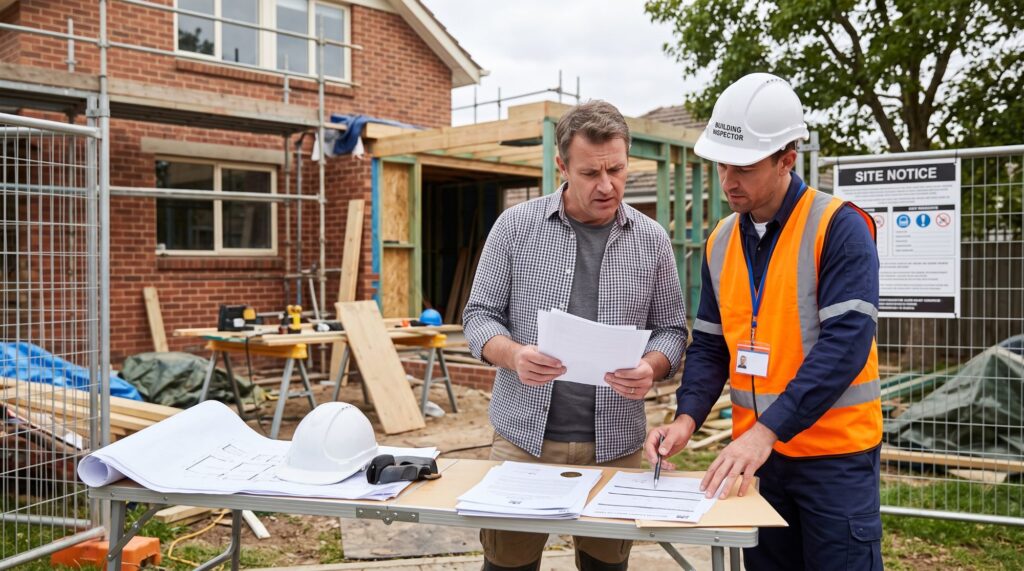

A building notice and a building order are not the same thing
The first step is knowing which document you have received, because they carry different weight.
A building notice is a request to show cause. The building surveyor has identified a potential problem – a fire safety defect, an unapproved alteration, a lapsed essential safety measure – and is asking you to explain the situation or demonstrate that the building complies. You are being given a chance to respond before any formal direction is made.
A building order is a directive. It requires you to do something, or to stop doing something, within a set timeframe – for example, to carry out rectification works, or to stop occupying part of a building. An order often follows a notice that was not resolved to the surveyor’s satisfaction.
- In Victoria, both are issued under the Building Act 1993.
- In New South Wales, councils use a comparable process of fire safety orders under separate planning legislation.
The principle holds either way: a notice is your opportunity to respond, and an order is a formal requirement you must meet. If you’re unsure which you are holding, that uncertainty is itself a good reason to get advice early.
Read the notice carefully and note every deadline
It sounds obvious, but the single most common mistake is skimming the document and missing what it actually requires.
Read it in full. Identify the specific defect or breach being raised, the works or evidence requested, and – critically – the date you are required to respond or comply by. Note who issued it and how they want to be contacted. If the notice references particular clauses of the Building Code of Australia or an Australian Standard, mark those down so your consultant can address them directly.
The deadline is not a suggestion. Missing it can turn a manageable notice into an order, and an unmet order into prosecution or penalty. If the timeframe looks unrealistic for the works involved, that is worth raising early rather than discovering at the last minute.

Don’t respond off the cuff – get a compliance assessment first
Before you reply, have the building assessed by a fire and safety compliance consultant. A considered response backed by evidence carries far more weight with a building surveyor than a rushed assurance that everything is fine.
A proper assessment tells you what the notice is really driving at, whether the identified defect is the whole story or the tip of a larger issue, and what rectification will genuinely be required. It is the difference between responding to the letter of the notice and actually resolving the underlying compliance gap.
This is the point at which many owners and owners corporations bring in specialist help. EBC Group’s council building notice and order consultation is built for exactly this moment – assessing what is required, so your response is accurate the first time.
Prepare and lodge your written response and rectification plan
With the assessment done, respond in writing. A strong response does three things:
- It addresses each point the surveyor raised
- It presents evidence of current compliance where it exists
- It sets out a clear rectification plan with a realistic timeline for anything outstanding
Detail matters here. A plan that names the specific works, the standards they will meet, and the dates by which each will be complete demonstrates that you are taking the matter seriously and gives the surveyor a reason to work with you rather than escalate. Achieving building order compliance is rarely about doing everything overnight – it’s about showing a credible, evidenced path to resolution.
Keep a copy of everything you lodge (you may need it later).
Rectify the defects and have the works certified
Once your plan is accepted, carry out the works and gather the documentation as you go. Servicing records, compliance certificates and completion documentation are what actually close the notice out – verbal assurances do not.
Depending on the building and the state, this may culminate in an updated fire safety statement or report – an Annual Fire Safety Statement in New South Wales, or an Annual Essential Safety Measures Report in Victoria – confirming the relevant measures have been assessed and are performing as they should. Make sure every rectified item is properly certified and recorded, so there is no ambiguity if the building is reviewed again.

How to avoid the next notice – stay ahead of compliance
The best position to be in is one where a notice never arrives. Most don’t appear out of nowhere; they follow a lapsed service, an overlooked defect or a statement signed without the evidence to back it.
Ongoing essential safety measures management, a maintained logbook, and a scheduled annual audit keep a building demonstrably compliant year-round, so the next inspection is a formality rather than a scramble. Compliance handled with attention to detail is far cheaper – in cost, time and stress – than compliance handled under an order.
If you ‘ve received a notice or an order and want it assessed properly, get in touch with EBC Group. We are your partners in fire and safety compliance, from the first response through to sign-off.