
Australia Wide
Fire Safety Inspections & Audits
EBC Group provides professional fire safety inspections and fire safety audits across Australia, helping building owners and managers maintain compliance and ensure systems are functioning as intended. Our approach is practical, focusing on clear reporting and actionable outcomes.
Our approach is clear and site-specific. We assess the relevant fire safety measures, review available documentation and provide practical reporting that helps you understand what needs attention, why it matters and what should happen next.
Fire Safety Inspections
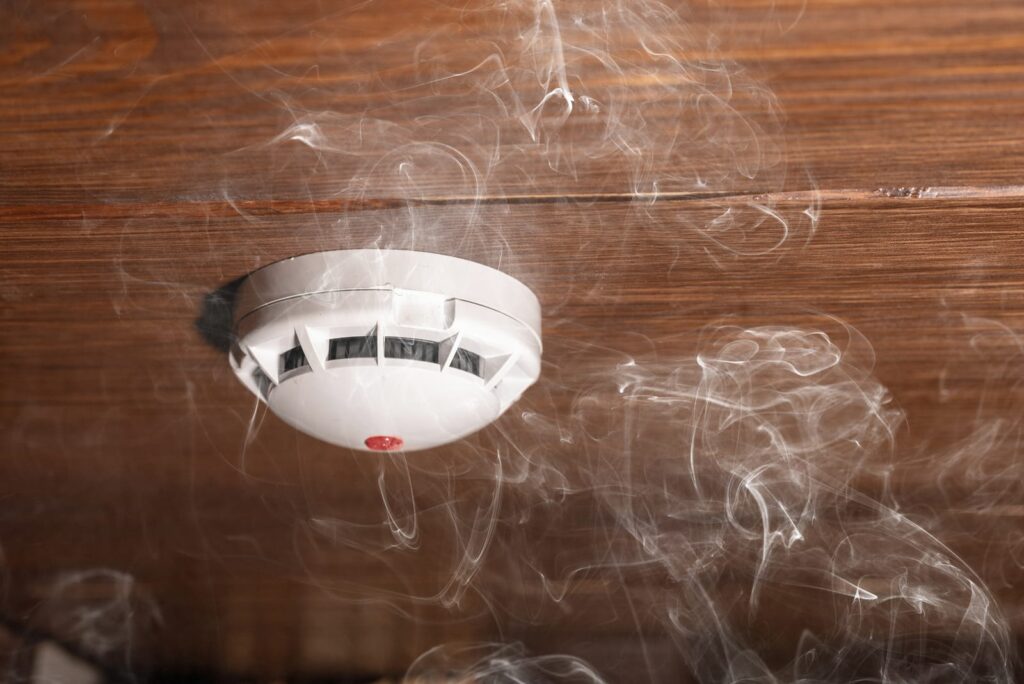
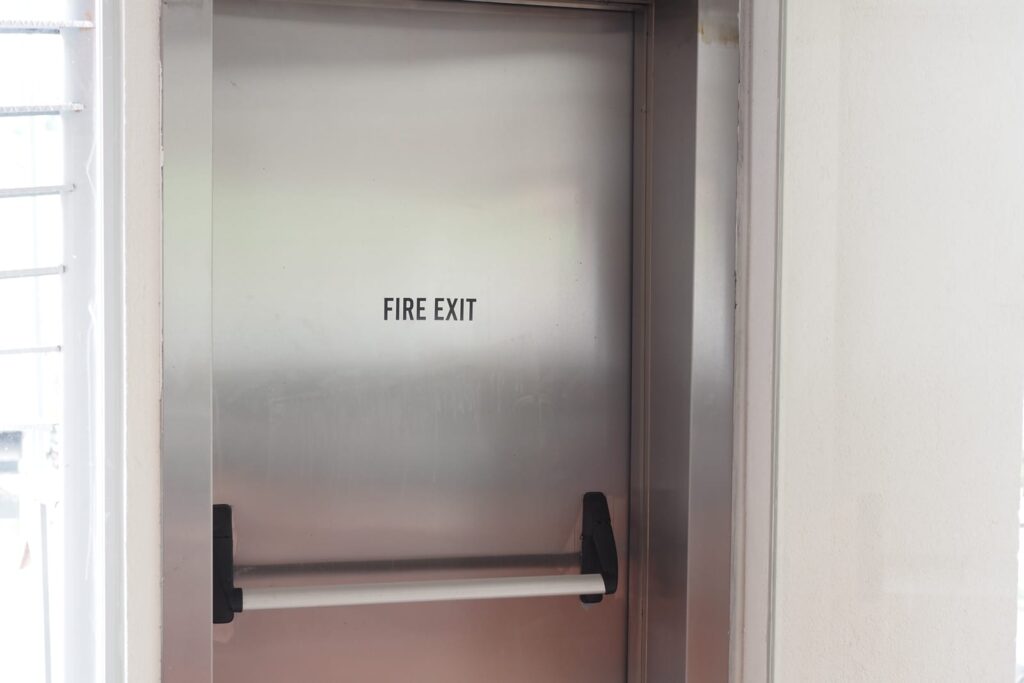
Fire safety inspections verify that essential safety measures are present, accessible and operational. These inspections support ongoing compliance and help ensure systems are ready in an emergency.
We assess key elements including fire detection systems, emergency lighting, exit signage, extinguishers, hydrants, fire doors and egress paths. Regular inspections help identify issues early and support effective maintenance planning.
Fire Safety Audits
A fire safety audit provides a broader review of your building’s overall fire safety and compliance position. While an inspection focuses on the condition and accessibility of fire safety measures, an audit looks more closely at systems, documentation, processes and compliance gaps.
EBC Group’s fire safety audits can include a review of maintenance records, inspection history, site documentation, fire safety schedules, contractor records, system performance, known defects and existing compliance processes. The audit is designed to highlight practical risks and provide clear recommendations for improvement.
This is particularly useful for building owners, asset managers and facility teams who need to understand whether their current fire safety management processes are adequate, documented and aligned with their obligations.
Fire Safety Inspection vs Fire Safety Audit
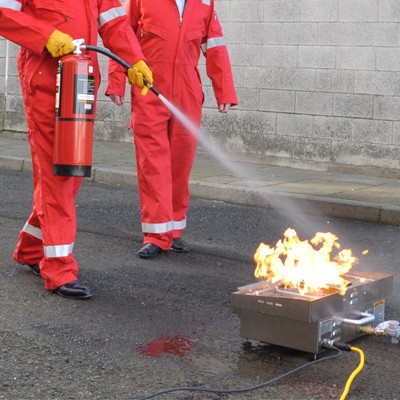
A fire safety inspection checks whether fire safety measures are in place, accessible and functioning as intended.
A fire safety audit is more detailed. It reviews the broader compliance framework around the building, including documentation, maintenance evidence, risk areas and whether current processes are strong enough to support ongoing compliance.
Many properties benefit from both. The inspection identifies physical issues on site, while the audit provides a wider view of compliance risk and management processes.
Fire Safety Compliance in Australia
Fire safety compliance requirements vary by state, building type and property use. However, building owners and managers are generally expected to ensure that essential fire safety measures are maintained, tested and properly documented.
AS 1851-2012 is an important reference point for the routine servicing of fire protection systems and equipment. It sets out requirements for inspection, testing, preventive maintenance and record keeping. In NSW, AS 1851-2012 becomes mandatory from 13 February 2026 for class 1b and class 2 to class 9 buildings. In Victoria, building owners are responsible for maintaining essential safety measures and preparing annual reporting where required.
Because obligations can differ across jurisdictions, EBC Group provides practical support based on the building, location and available documentation.

Speak with EBC Group
EBC Group focuses on reporting that is clear, useful and easy to act on. We do not just identify issues. We explain what has been found, why it matters and what should be considered next.
Our reports can help building owners and managers improve documentation, prioritise maintenance, address compliance gaps, support contractor coordination and reduce uncertainty around fire safety obligations.
If you need a fire safety inspection or audit, EBC Group delivers clear, reliable and site-specific compliance support.
Fire Safety Inspection and Audit FAQs
What is a fire safety inspection?
A fire safety inspection is a site review that checks whether essential fire safety measures are present, accessible, maintained and functioning as intended. It may include equipment such as fire extinguishers, emergency lighting, exit signage, fire doors, hydrants, hose reels and detection systems.
What is a fire safety audit?
A fire safety audit is a broader review of a building’s fire safety and compliance position. It can include site conditions, documentation, maintenance records, known defects, fire safety schedules and current compliance processes.
What is the difference between a fire safety inspection and a fire safety audit?
An inspection focuses on the physical condition and accessibility of fire safety measures. An audit reviews the wider compliance picture, including records, processes, risks and documentation.
How often should fire safety inspections be completed?
The required frequency depends on the building, location, type of fire safety system and applicable compliance requirements. Many fire protection systems require routine inspection, testing and maintenance under relevant Australian standards and local regulations.
Who is responsible for fire safety compliance?
Responsibility usually sits with the building owner, owners corporation, strata committee, facility manager or asset manager, depending on the property and management structure.
Does EBC Group provide fire safety audits for multi-site properties?
Yes. EBC Group can support commercial, residential, industrial and multi-site property portfolios with practical fire safety inspections, audits and compliance reporting.